The Human RNA Project Natural Medicine · 2016 — 2026 Rutgers University

Natural Medicine

Sungchul Ji, born on February 17, 1938, is a distinguished theoretical biophysicist and philosopher. He embarked on a remarkable 40-year quest to reconcile disparate scientific disciplines, bridging quantum mechanics, molecular biology, and consciousness studies with ancient Vedantic philosophy — a full 54 years of inquiry, from the conformon in 1972 to the RNA QR Code in 2026.

Sungchul Ji, Ph.D. · Emeritus Professor of Theoretical Cell Biology
Department of Pharmacology and Toxicology, Ernest Mario School of Pharmacy, Rutgers University

10
Years of correspondence
422
Emails catalogued
5
Measurement tools proposed
2016
Complementarism proposed
2026
Provisional patent filed

The mortar and pestle — nature’s oldest healer’s tool, still scintillating · drag to rotate

The wrong yardstick

For more than a century, pharmacology has validated a therapeutic agent — natural or synthetic — by demonstrating that it modulates a defined molecular target with statistically significant effects in a population. This molecule-centric paradigm has produced extraordinary successes, but it has also systematically marginalized natural medicines.

i.
Population vs. individual

The same drug produces different outcomes in different patients because their cells occupy different functional states before treatment begins. Genomic diagnosis identifies static mutations; it does not describe what a cell is currently doing.

ii.
Target vs. system

Natural medicines almost never act through a single target. A whole-plant preparation may engage dozens of pathways simultaneously, producing a coordinated systemic effect — exactly the kind of signal that single-target assays are designed to filter out.

iii.
Diagnosis vs. therapy

Genome sequencing has matured into a powerful diagnostic technology, but, as Ji writes, “knowing the cause of disease does not tell us how to treat it.” The transcriptome — the dynamic, environment-responsive expression of genes — is the layer at which intervention actually occurs.

The cumulative effect of these mismatches is a regulatory system that, by design, cannot recognize the kind of multi-target, system-restoring, individually variable action that characterizes most traditional and natural therapeutics. Ji’s framework is an attempt to close that gap — not by relaxing rigor, but by relocating it.

“Any agent, including FDA-approved drugs, natural products, or artificial chemicals, that moves a tumor’s RNA QR code toward the normal-tissue pattern should be treated as a potential anti-cancer drug.”

Three irreducible pillars

The framework rests on three irreducible pillars — a theoretical foundation, a measurement technology, and a statistical engine — each developed over decades of work and converging in 2024–2026 into a single validation protocol.

i.

Cell Language Theory

Ji’s 40-year body of work establishing that cells communicate through a molecular language grounded in conformons and intracellular dissipative structures. Published as The Cell Language Theory: Connecting Mind and Matter (World Scientific, 2018), it provides the biophysical and information-theoretic foundation — not a post-hoc rationalization, but a coherent theoretical program.
Proposed 1972 · 45 years of research
ii.

RNA QR Code

A transcriptome-wide pattern-recognition method that compresses gene expression into a functional fingerprint. Rather than tracking individual genes in isolation, an RQC captures the coordinated activity of supermetabolons — groups of metabolic pathways acting as system-level biomarkers. The RQC is the “functional fingerprint of a living cell.”
Introduced 2024 · Transcriptome-wide
iii.

Personalized Replacement Therapy

The operational protocol that turns the RQC concept into a validation pipeline for natural substances. The PRT Success Probability equation, P(n, p) = 1 − (1 − p)n, quantifies how many natural candidates must be screened to find at least one functional match to a reference drug with 95–97% confidence.
Formalized May 2026 · PSP equation
P(n, p) = 1 − (1 − p)n PRT Success Probability · derived with ChatGPT, May 4, 2026

With p = 30% per-candidate effectiveness, 10 candidates give at least a 97% chance that one works; with p = 50%, 5 candidates are enough. The formula assumes candidates are independent and that p is known — the very quantity that, for a natural-product library, has not yet been measured.

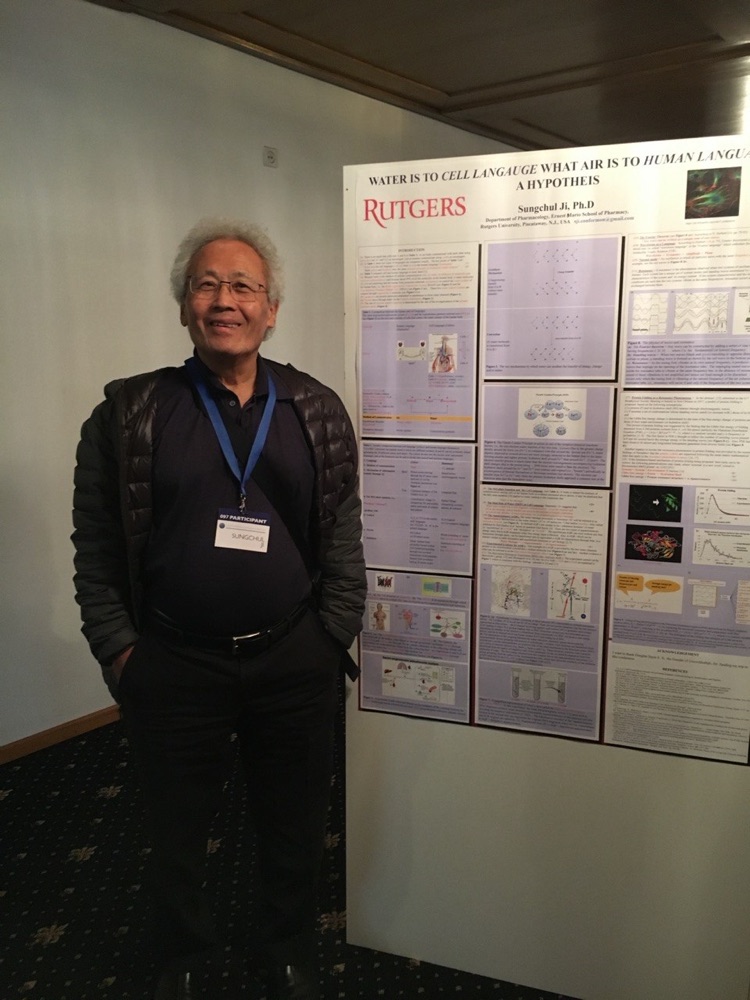
Sungchul Ji at a scientific conference, standing next to his research poster: 'Water is to Cell Language What Air is to Human Language: A Hypothesis'
Sungchul Ji, Ph.D. at a scientific conference — presenting “Water is to Cell Language What Air is to Human Language: A Hypothesis”
His theories · on the conference floor

Water is to cell language what air is to human language

The poster summarizes the core analogy of his life’s work — that cells communicate through a molecular language with the same structural logic as human language, and that water plays the same role for cells that air plays for us: the medium through which meaning travels. The Cell Language Theory, the conformon, the gnergon, and the RNA QR Code all descend from this single insight.

Search his brain — 43 concepts, 135 connections
1972
Conformon proposed
2018
Cell Language Theory, World Scientific
2024
RNA QR Code introduced

A different way of knowing

His case for natural medicine starts with philosophy and logic. He wants it treated as a different but equally valid way of knowing, and he says so consistently across the decade.

3.1 · Complementaristic Medicine (2016)

Complementarism

Replying to Sayer about a Functional Medicine lecture, he set out the principle that “the traditional Western medicine and Functional Medicine are the complementary aspects of the Complete or Complementaristic Medicine,” and suggested testing it by “statistically comparing the efficacy of natural medicines and artificial ones on treating some specific diseases, say, breast cancer or kidney disease.” This is the starting point for everything that follows: complementarity, plus a demand for a quantitative test.

3.2 · Effect First, Mechanism Later (2018)

“Effect First, Mechanism Later”

In a September 12, 2018 letter to Dr. Gustav Solar (ISNM), he described a three-part crisis: in medicine (cancer, the vaccine debate, drug toxicity), in pharmacology (no rigorous theory of how drugs act in humans), and in industry (a molecular drug-discovery success rate “less than 0.01%”). Building on Sartre’s “existence precedes essence,” he wrote: “Effect first, mechanism later” (EFML), contrasting with the traditional, failed approach of “Mechanism first, effect later” (MFEL). Traditional remedies have centuries of observed effects but often no single defined mechanism — EFML treats that as a starting point, not a disqualification.

3.3 · The Uncertainty Principles

Medical & Pharmacological Uncertainty

The Medical Uncertainty Principle (2012 book) and the Pharmacological Uncertainty Principle (PUP, sent May 20, 2024): bottom-up, molecule-first drug design is fundamentally limited. He expected AlphaFold 3 to fail at drug prediction for this reason, and said the top-down approach at Bioceuticals.AI should be “at least 100-fold more efficient.” He agreed that Western regulation is “rigged against combinatorial therapy” — a weakness that “select non-Western medical systems” address.

3.4 · Eastern and Western as Different Ontologies

S4 and S5

February 27, 2024: “I don’t think we can explain Chinese (or Eastern) Medicine in terms of the language used in Western Medicine, and vice versa, just as we cannot explain wave phenomena in terms of particles.” April 8, 2026: “The 4 forces and Western medicine are thought to belong to the S4 group, whereas Cell Force (or Cell Language) and Eastern Medicine (including acupuncture) belong to the S5 group.” He bases this on Galois’s proof that quintic equations, unlike quartics, have no general solution in radicals.

3.5 · Language Matters

False Disjunction Bias

He agreed with Sayer (June 26, 2017) that natural medicine “should not be called alternative.” In 2025 he applied the same logic to vaccines, calling the “pro” vs. “anti” reduction a “False Disjunction Bias” and proposing a third option: Personalized Vaccinology.

August 4, 2026

“Qi Is Not the Dao”

He separates qi (dynamic vital activity, which traditional Chinese medicine works with) from the Dao (the underlying order), and warns against equating qi with any single physical field. Eastern and Western medicine are not competing belief systems but different ontological projections of the same underlying biology.
“A new medicine that views humans not only as material beings but also as spiritual beings.”

One argument, many tools

Every method he proposed — the Planckian Distribution Equation in 2008, the digital CymaScope in 2017, the Health Positioning System in 2022, RNA QR codes in 2024, and Personalized Replacement Therapy in 2026 — tries to make natural and pharmaceutical treatments comparable on the same measurable scale.

i.

Planckian Distribution Equation

Introduced 2008. A mathematical method for classifying the distribution of biological data — gene expression, enzyme activity, cell responses — by fitting them to a Planckian curve. Applied to distinguish long- and short-surviving breast cancer patients after doxorubicin treatment in the Perou et al. dataset (5 vs. 5 patients).
2008 · Planck-Shannon Classifier
ii.

Digital CymaScope

Proposed 2016–2017. An acoustic imaging tool that visualizes sound-induced patterns in water and blood. He hypothesized that every hospital with an Acupuncture Department “will need a digital CymaScope and PDE.” Tested with John Stuart Reid at the CymaScope laboratory; the 44 Hz tone created persistent hexagonal geometry in whole blood.
2016 · CymaScope laboratory
iii.

Health Positioning System

Proposed 2022. A framework for locating a patient’s functional state in a multi-dimensional “health space” — analogous to GPS positioning, but for cellular function rather than geography. The HPS maps the pre- and post-treatment states that define whether a therapy has moved the patient toward health.
2022 · Functional state mapping
Validation metric · The Restoration Index
RI(D, X) = (p/n + r/m) × 100 / nm % Defined July 31, 2024 · Renamed Healing Power Index (HPI), August 9, 2024

Tumors suppress n enzymes and induce m enzymes; a treatment D restores p of the suppressed and suppresses r of the induced. The RI scores drugs, natural products, and “physicals” (meditation, exercise, Tesla wave therapy) on the same scale — “similar to each food item in groceries carrying a number indicating its calorie count.”

Reported values vary: 45%, 49%, 67%, 69% and 84% for doxorubicin depending on dataset and formula. He acknowledges that RI values “critically depend on the quality and the properties of mRNA data samples.” Before RI or HPI is used as a public score for natural products, it needs one fixed definition, one fixed set of metabolons, and repeat testing on independent datasets.

His own health record

This part of the record carries the most personal weight. These are individual accounts, not controlled evidence, but they explain how his views changed over the decade.

2019Moxibustion

First exploration of moxibustion for atrial fibrillation. He hypothesized that moxibustion raises blood oxyhemoglobin — the “Shirasawa phenomenon” — which might help delay Alzheimer’s. He proposed CymaScope blood diagnostics for acupuncture: “every hospital in the world that has the Acupuncture Department will need a digital CymaScope and PDE.”

2022A failed switch

A documented attempt to switch away from his prescriptions. The emails record the difficulty of replacing pharmaceutical regimens without a validated natural substitute — a personal demonstration of the very problem his PRT framework was designed to solve.

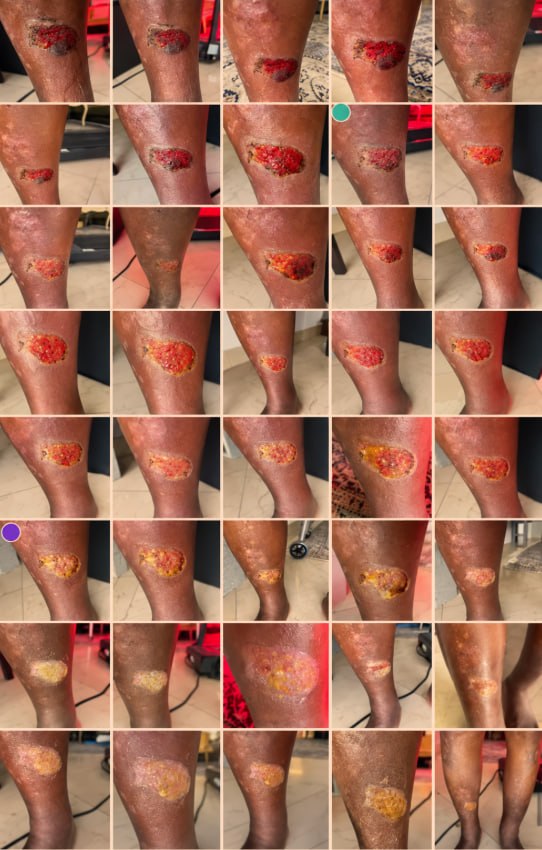
2023Manuka honey wound log

A severe leg ulcer, resistant to conventional treatment, was stabilized with manuka honey. The wound log — a day-by-day photographic record — became the empirical anchor for his belief in the Healing Power Index. Royal jelly was then applied, and within weeks the leg was completely healed, without surgery, amputation, or scars.

2024Chinese herbs & berberine

Chinese herbal medicine resolved a severe, debilitating insomnia within days of the prescription from his acupuncturist. Berberine and cinnamon were explored for blood sugar management. These became the empirical basis for his insistence that natural products deserve the same rigorous testing as pharmaceuticals.

2025–2026Declining the pacemaker

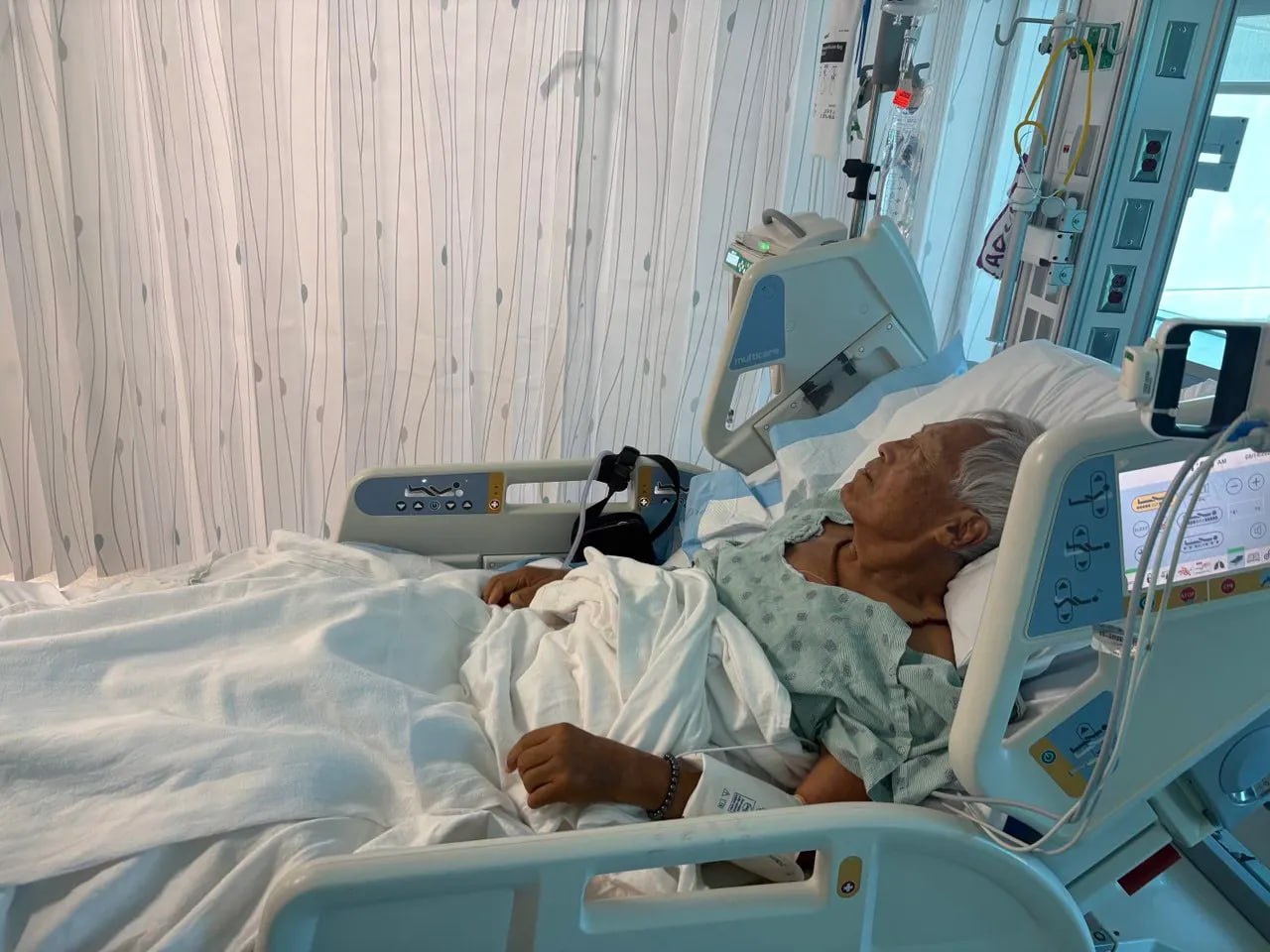
After congestive heart failure, cardiac arrest, and type 2 diabetes — and an ICU stay with brain swelling — he declined a pacemaker. He recovered instead through vitamin C supplementation, consistent physical training, and careful blood sugar management. In Sayer’s published accounts: royal jelly for the wound, herbal treatment for insomnia, and a deliberate choice against the device. At 88, he trains daily — planks, pull-ups, squats, pool therapy, yoga — and still publishes essays on the Planckian distribution.

Natural remedies he uses
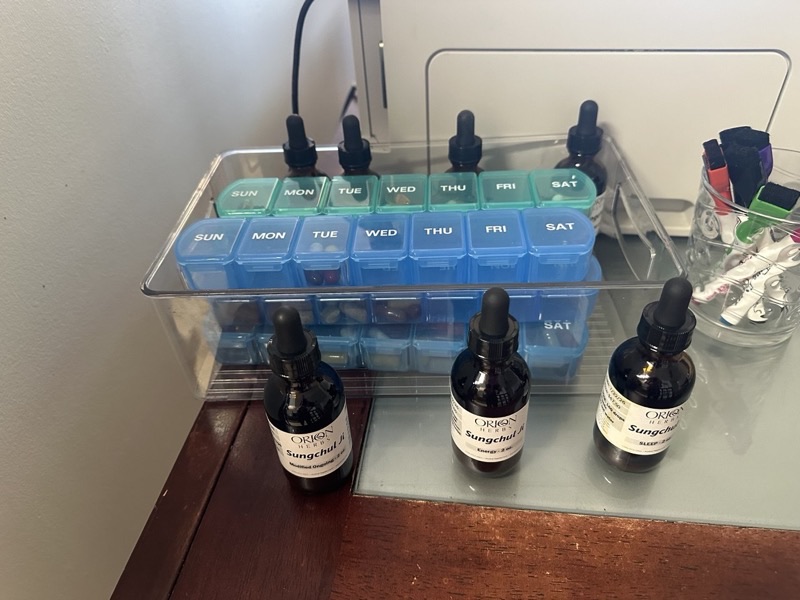
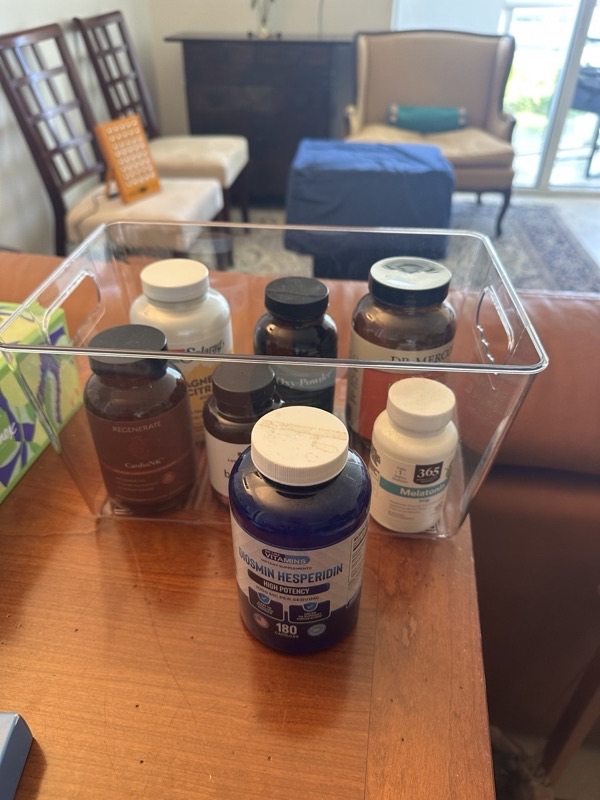
Sungchul's supplement collection — Diosmin, Hesperidin, Regenerate CardioNK, melatonin, calcium magnesium, Dr. Mercola products
His daily supplement regimen — Diosmin, Hesperidin, Regenerate CardioNK, melatonin, calcium magnesium
Natural remedies and supplements
Natural remedies — the daily protocol
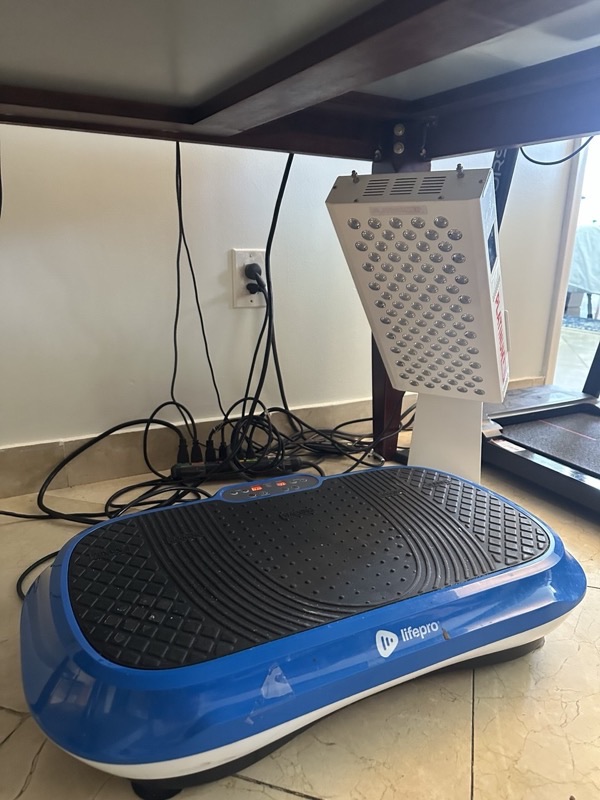
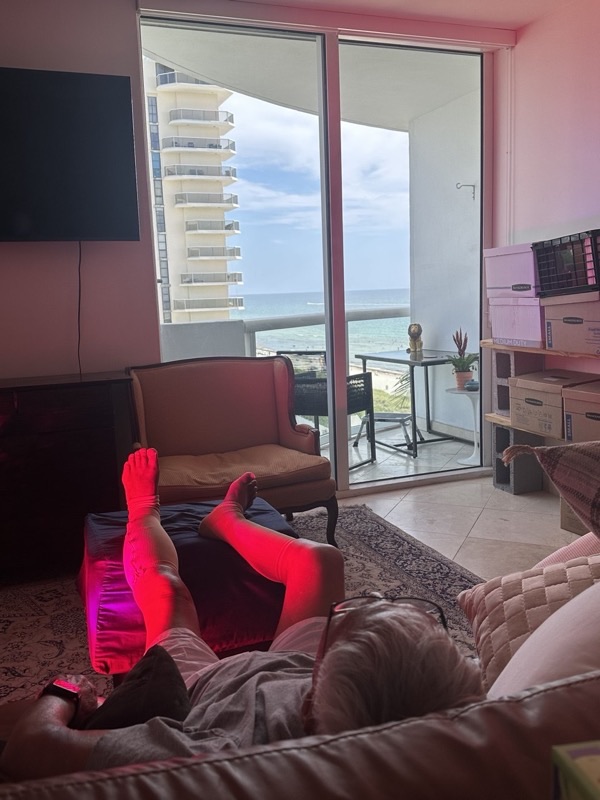
Red light therapy and natural healing
Red light therapy — part of his daily recovery
UVB light and natural remedies
UVB light — the rare slice of sunlight that programs human biology

“A wavelength of light your ancestors received every single day of their lives” — UVB, the trigger for vitamin D synthesis, is not just a nutrient but an environmental nutrient that has become scarce in modern life. Read Sayer Ji’s essay on Why UVB — the rare slice of sunlight that programs human biology — may be the root cause you’ve never considered.

Dr. Ji, on his son Sayer’s philosophy of food
“In the 21st century, food will be regarded as a source of information as well — and more important than energy.”

The theoretical biologist’s own thesis — that life runs on information as much as energy — reflected back through his recovery. He credits the approach to his son Sayer Ji, founder of GreenMedInfo and author of Regenerate.

Day-by-day photographic record of a severe leg ulcer healing, from Manuka honey through royal jelly
Manuka honey begins Royal jelly begins Read the full story
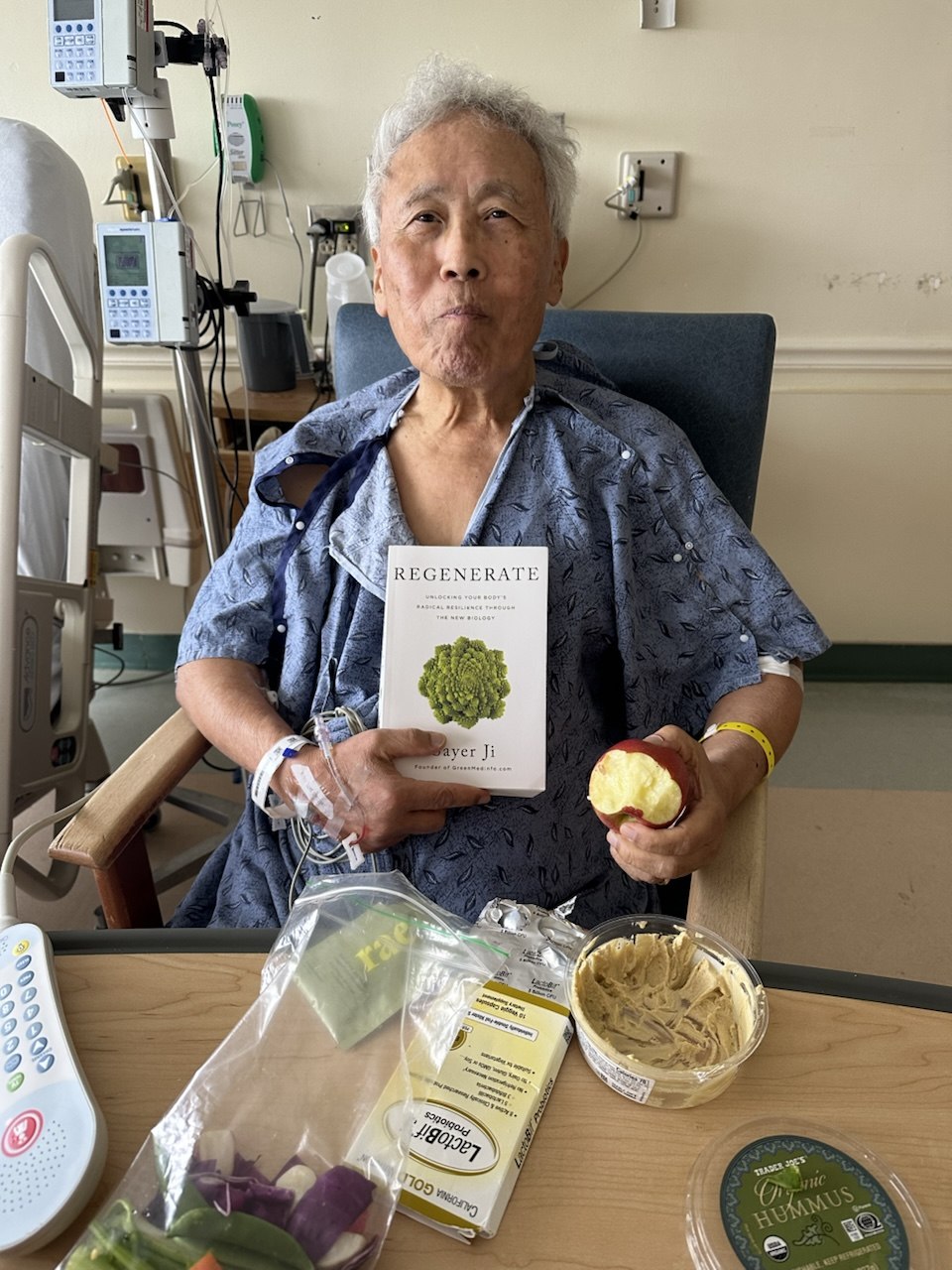
Dr. Ji in the ICU holding his son Sayer Ji's book Regenerate, with fresh vegetables and hummus
Holding his son Sayer Ji’s book Regenerate. Sayer is the founder of Regenerate.
Dr. Ji resting in the ICU, monitors and IV at the bedside
The days doctors warned he could lose the leg
“He was in the ICU with brain swelling and cardiac arrest. He was smiling, eating celery and hummus, and talking about philosophy.”
In the hospital, smiling through it, 2025
Pool therapy
Pool therapy
Yoga instruction
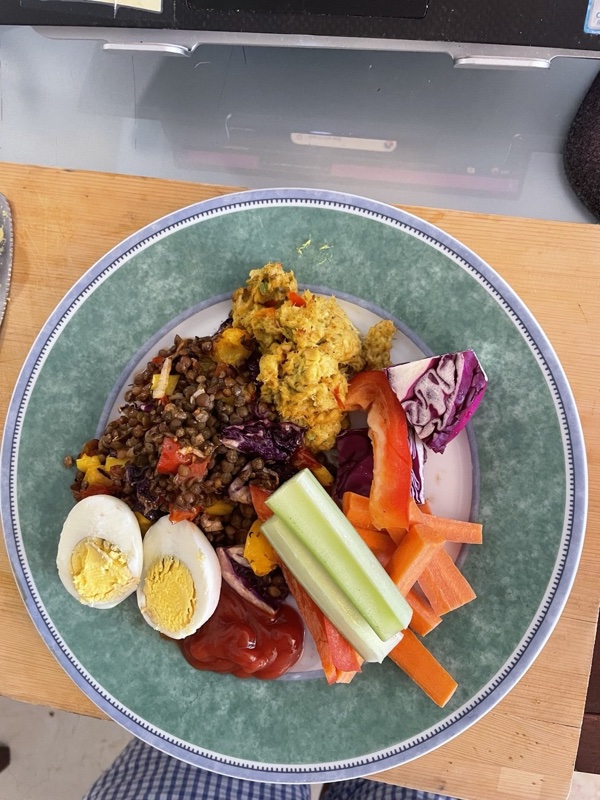
Daily meal
Daily meals
Swim therapy
From Max Planck to doing planks
Boxing at 88
Balance training
In the pool, smiling
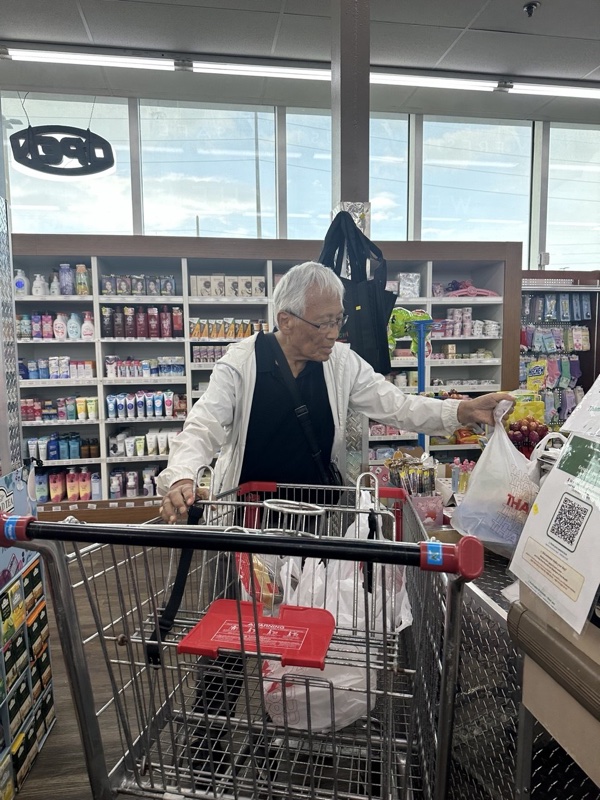
Dr. Ji shopping for healthy food
Shopping healthy
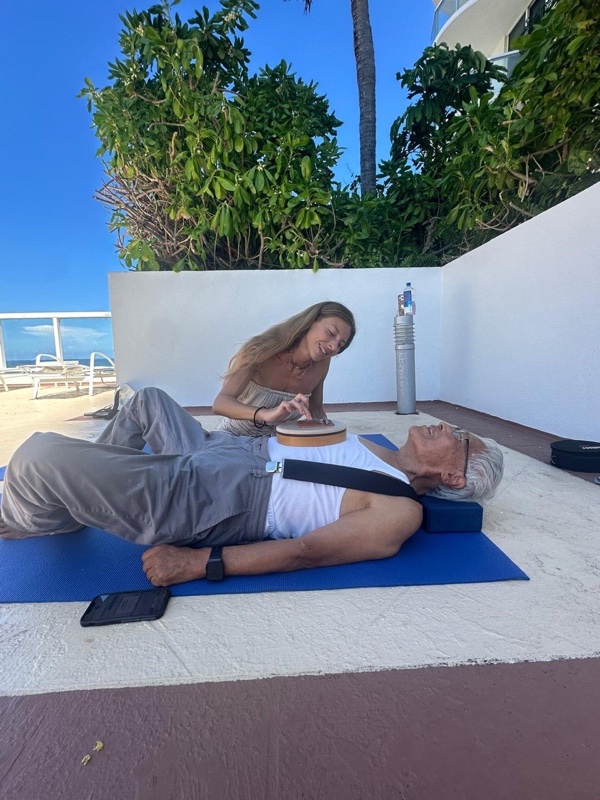
Dr. Ji receiving sound healing therapy on a rooftop terrace
Sound healing
Father and son

Dr. Ji is the father of Sayer Ji, founder of GreenMedInfo.com and author of Regenerate. His son’s work and book influenced him to adopt the natural health approaches that restored him.

sayerji.com GreenMedInfo.com Regenerate, the book

Natural medicine, proven over thousands of years of human experience, should be valued as highly as Western medicine.

Dr. Ji’s closing statement, as summarized by Sayer Ji
Watch his story, in his own words

A personal experience, not medical advice. Always consult with a qualified healthcare professional before making health decisions.

Moving toward commercial use

His ventures run from SystomeBioMed (2016–2018) to AI Bioceuticals / AICeuticals (2023 onward), a provisional patent, the “rescue method,” and an AiCeuticals EBV investor deck he approved on October 4, 2026.

2016–2018
SystomeBioMed
His first venture — a company concept for “Systome Medicine,” applying the Planckian Distribution Equation and CymaScope diagnostics to natural medicine validation. Registering the domain SystomeMed.com (or SystomeBioMed.com), he proposed SBM Symposia to bring natural-medicine researchers together. The concept evolved but did not incorporate.
2023–
AI Bioceuticals / AICeuticals
A company applying the RNA QR Code framework to natural-product drug discovery. The top-down approach at Bioceuticals.AI, he said, should be “at least 100-fold more efficient” than conventional bottom-up molecule-first design. AICeuticals extends the brand toward AI-ceutical hybrids — natural products validated by functional equivalence to approved drugs.
2025–2026
Provisional patent
“RNA QR Code-Based System for Drug Discovery and Personalized Cancer Therapy.” Drafted in December 2025, circulated March 5, 2026. A system and method for encoding, decoding, and classifying molecular information using RNA QR codes — translating the Cell Language Theory into a practical drug-discovery platform.
May 2026
The “Rescue Method”
Extended the framework to address the pharmaceutical industry’s largest stranded assets: drugs that fail Phase III despite hundreds of millions of dollars of investment, often because trials failed to identify the patient subpopulation whose RQCs would respond. If RNA QR Code evidence demonstrates that a failed drug produces the same functional state as an approved one — in a specific patient subset — that drug can be “rescued” to FDA-approved status. Claude, in the dialogue he shared, called it “a genuinely compelling commercial proposition.”
Oct 4, 2026
AiCeuticals EBV investor deck
An investor deck for the EBV (Epstein-Barr Virus) application of the AICeuticals platform — approved by Ji on October 4, 2026. The deck presents the RQC framework as a fundable research program, with the PSP equation giving investors a quantitative answer to “how big does the screening library need to be?”
Repurpose Method
Natural replacements for approved drugs

Given a drug already approved by the FDA for a disease, identify natural substances that produce the same RQC in patient cells. These become candidate replacements with a built-in efficacy benchmark: the approved drug itself. Ji estimated ~20 of ~200 FDA-approved anticancer drugs could be repurposed for prostate cancer.

Rescue Method
Recovering failed drug candidates

A single successful rescue can convert a hundred-million-dollar write-off into billions of dollars of revenue — and the natural-medicine corollary is that the same logic identifies natural agents that act on the same subpopulation.

The people around the work

Over a decade of correspondence, a small network of collaborators shaped the framework — each bringing a different domain that the complementaristic medicine was designed to bridge.

Acoustics · CymaScope
John Stuart Reid
CymaScope Laboratory · Sonic Age
Conceived the 2015–2017 experiments testing whether music could extend the lifespan of human cells. Co-authored the blood-and-music study with Ji. Hosted Ji at the CymaScope laboratory in August 2017 for the aquaresonance experiments — where yeast cells in water produced “a frenzy of activity” then “a beautiful asymmetric pattern.” Together they named the field biocymatics.
Son · GreenMedInfo
Sayer Ji
Founder, GreenMedInfo.com · Author of Regenerate
The bridge between Sungchul Ji’s theoretical cell biology and the natural-medicine advocacy world. Sayer founded GreenMedInfo, the world’s most widely referenced natural-medicine database, and authored Regenerate: Unlocking Your Body’s Radical Resilience. The PRT framework was designed to give GreenMedInfo’s substance index a measured, not assumed, scientific basis. Sayer’s published accounts of his father’s recovery — “Royal Jelly Saved My Father’s Leg” — brought the personal health record to public attention.
International Society of Natural Medicine
Dr. Gustav Solar
ISNM · Slovakia
Recipient of the September 12, 2018 letter that defined “Effect First, Mechanism Later.” Dr. Solar organized the First Congress of the International Society of Natural Medicine in Slovenia (2018), where Ji delivered the keynote: “The Cell Language Theory, Acupuncture and Moxibustion: A Unification of Eastern and Western Medicine.” Their correspondence spans the philosophical foundations — complementarism, the S4/S5 argument, and the call for “a new medicine that views humans not only as material beings but also as spiritual beings.”
Research · Computational
Joshua Davis
Computational biology · PDE implementation
Collaborator on the Planckian Distribution Equation and its computational implementation. The PDE classification pipeline — fitting gene-expression distributions to a Planckian curve and computing the Planck-Shannon index — was developed and tested across multiple datasets, including the Perou et al. breast-cancer cohort. Davis contributed to the statistical machinery that distinguishes long- from short-surviving patients, the empirical foundation on which the RNA QR Code was later built.

From philosophy to protocol

PRT asks not “which drug treats disease Z?” but “which substance reproduces the same cellular state as an effective treatment?” — turning a philosophical proposal into a fundable research program.

The five-step PRT protocol
  1. 1 Identify the clinical context — patient, drug, disease.
  2. 2 Measure the drug-induced cellular state as an RNA QR code.
  3. 3 Build a library of natural products — food supplements, natural compounds, herbal extracts — and measure each one’s QR code.
  4. 4 Find the natural product whose pattern best matches the drug’s.
  5. 5 Replace the pharmaceutical with the matched natural product.

The protocol is patient-specific by design. Two patients with the same nominal diagnosis may receive different natural-product matches because their pre-treatment cellular states differ. This is what distinguishes PRT from generic herbal substitution and from population-averaged “alternative medicine” trials — both of which Ji regards as inadequate.

6.1 · Classifying supplements

Beneficial, harmful, or neutral

August 29, 2023: responding to a systematic review that found clinical results for medicinal mushroom supplements inconclusive — use the Planck-Shannon classifier to sort all mushroom supplements investigated into beneficial, harmful, or neutral, at both the population and the personalized level.

6.2 · Mind-body medicine

Meditation and the transcriptome

August 27, 2025, based on his “First Law of Transcriptomics” (2018): “Meditation, prayers, rituals, and ceremonies can, in principle, effectuate the healing of cancer through the transcriptomic mechanisms that can be monitored using the RNA QR code technology.”

6.3 · Personalized vaccinology

Leukocyte RQC at vaccination

From March 2025: use leukocyte RNA QR codes at the time of vaccination to identify children for whom a vaccine is likely to be harmful, “so that such patients can be excused from vaccine mandates.” He drew a clear line between personalized vaccines and a personalized vaccination method.

6.4 · Antineoplastons

Burzynski’s therapy

March 8, 2025: proposed RQC as a way to gather clinical evidence for Burzynski’s antineoplaston therapy — a controversial natural cancer treatment that has long lacked the kind of transcriptomic validation the framework provides.

Reorganize, not randomize

For ten years, psychedelics ran through his work in three phases: as data (2016–2017), as personal experience (2023–2024), and as a test bed for new mathematics (2026). The consistent claim: psychedelics do not simply make the brain more random. They reorganize it — and that reorganization can be measured.

Amanita muscaria — the fly agaric · drag to rotate

DMT — N,N-dimethyltryptamine · drag to rotate

The challenge to the entropic brain · December 2016

Robin Carhart-Harris at Imperial College London had shown that psilocybin increases brain entropy. Sungchul re-fitted the same fMRI histograms with his Planckian Distribution Equation and found that both entropy (Shannon: 4.32 → 4.96 bits) and organization (Planckian information: 1.03 → 1.37 bits) rose together. If information were simply negative entropy, the two could not both increase. He wrote directly to Carhart-Harris proposing an informational brain hypothesis.

4.32→4.96
Shannon entropy — bits
1.03→1.37
Planckian information — bits
9
Predicted classes of hallucinogens

“Psilocybin may reorganize rather than randomize the brain, as a sonnet varies more than a repeated word, yet is more organized.”

Sungchul Ji, 2026
His theory of how entheogens work

The key and the lock

DMT does not carry the message — its structure is too simple. It acts as a key to unlock pre-packaged messages encoded in the brain, as a substrate selects one of an enzyme’s ~1030 pre-existing shapes. He called this the “pre-fit” mechanism.

Cell language and cosmese

His Cell Language Theory defines three languages: humanese, cellese, and cosmese. Ayahuasca showed him that cosmese is not separate but the union of the other two — and during quiet periods he felt he was “communicating with every cell in my body.”

The human brain is a cymascope

After a December 2024 ceremony, he saw geometric images only when he heard music. A family member remarked this recalled the CymaScope. He placed ayahuasca artwork beside John Stuart Reid’s cymaglyphs and argued both are sound-induced wave patterns in water — in neurons in one case, in quartz in the other.

The DMT-itron

DMT, its brain correlates, and its meaning form one triad — the DMT-itron. Samadhi may be achieved by mind or by entheogens, just as pain can be removed by mind or by morphine.

The 2026 brain-geometry work

Five psychedelics inside a tetrahedron

Using Girn et al. (2026), which pooled 11 fMRI datasets, 273 participants and over 550 connectomes, he and Joshua Davis divided each drug’s connectivity changes into four categories and normalized them to sum to 1. Each drug became one point in a dynamic body-centered tetrahedron.

Psilocybin ≈ LSD

Distance ~0.009 — nearly identical, matching the original study.

DMT ≠ Ayahuasca

Ayahuasca shifts toward noncortical components despite containing DMT.

SCST

EEG, heart-rate variability, breathing, stress hormones, 0–10 self-rating — placing states in one shape.

His own experience · 2023–2024

Between 2023 and 2024, aged 85–86, he took part in psilocybin, sassafras and at least four ayahuasca ceremonies — several with his family. He reported joy, a feeling of being loved, losing his craving for coffee, and an idea for the family patent business that came to him hours after psilocybin.

“I felt I was communicating with every cell in my body.”

Sungchul Ji, during a quiet period after ayahuasca
The strongest finding

Showing that entropy and an organization measure rose together on the same psilocybin data is a testable challenge to a leading theory. Made in 2016, consistent with the 2026 finding that psychedelics decrease connectivity within but increase it between cortical networks.

The honest gap

Every psilocybin number comes from histograms in one 2014 paper (15 people). Two versions of the result exist (1.31 vs 1.37 bits). The tetrahedron coordinates were computed by ChatGPT with no published code. No replies from the field appear in the inbox.

The Cosmology of Love

For more than four decades Dr. Sungchul Ji studied how living cells organize energy and information. In retirement in Miami he asked a larger question: what kind of universe produces cells that compute, minds that love, and societies that can choose between creation and destruction?

The claim about origins · May 2023

The universe, he writes, was created by a God “who is Love Itself,” and the slight excess of matter over antimatter may be a sign that its Creator “is benevolent and will not allow its inhabitants to annihilate themselves … but to love, to be productive, and to be happy.”

The ethical fork · Miamiator or Mariupolator

In his model, the Shillongator, the future is not fixed. One branch, the Miamiator, is “a creative and happy Universe” in which technology serves “Love (& Happiness, and Emotional Health).” The other, the Mariupolator, named for the Ukrainian city destroyed by war, leads to “War, Tragedy, and Extinction.” Which branch we live in “is up to us, both as individuals and as collectives.”

The Miamiator

“AI Technology with Love” — a creative and happy Universe, evolving toward Love, Beauty, and Truth, peace and happiness. Natural intelligence, computation by living cells in water and RNA.

The Mariupolator

“AI Technology without Love” — a destructive and deadly Universe, evolving toward War, Tragedy, and Extinction. Named for the Ukrainian city destroyed by war.

“It is up to us, both as individuals and as collectives, to live in Miamiator or in Mariupolator.”

Sungchul Ji, July 2023
Benevolent asymmetry

The mere fact that there are more particles than antiparticles — the matter-antimatter asymmetry that makes the physical universe possible — “may be the indication that the Universal God who created this Universe is benevolent and will not allow its inhabitants to annihilate themselves.” The universe is tilted toward love, as it is tilted toward matter.

Three paths toward the Miamiator

Outer: Natural Intelligence

Computation by living cells in water and RNA — the Cell Language Theory as the outer technology of love. Technologies built on the natural intelligence of life itself.

Inner: Zeroness

A meditative state reached by setting aside every sign and thought. “Only when most humans routinely experience Zeroness in their daily living may the history of humanity undergo a true revolution.” Following Peirce: we think in signs, so removing all signs reaches a zero state of consciousness.

Shared: Peace & Shalom

Peace as both the measurable absence of conflict (an S4 proposition) and shalom, wholeness (an S5 proposition). “Peace without shalom is empty. Shalom without peace is ungrounded.” True peace is the presence of a living, evolving harmony.

Love-Mechanism · Table 1000, Row 3f

“God is Love-Mechanism, the complementary union of Love and Machine.”

From Table 1000, “What Is God? The 30 Definitions of God based on Peircean semiotics.” The same table pairs Entropy/Gnergy/Centropy and Pleasure/Transcendence/Pain, and states that “Homo sapiens appears to have evolved to feel bliss when mind/body/spirit merge into One.”

Spirit as geometry · March 2026

He proposes the 4-simplex (5-cell) as “a geometric representation of Spirit,” the type to which “God, Value, Love, Quantum potential, pilot wave, gravity, time” belong as tokens. This connects the cosmology of love to his 2026 geometry-of-reality work.

Happiness & emotional health

Happiness runs through all three paths. It is part of the Miamiator’s definition — “Love (& Happiness, and Emotional Health)” — and part of how he describes his own contemplative experience. Luis Gallardo, founder of the World Happiness Foundation, invited him to present at the World Happiness Fest in Miami (March 2024). Joshua Davis at the Embassy of Peace in New Zealand co-authors the peace work.

Sayer Ji’s contribution · October 2023

“I really like the way you qualified this concept. It makes it more actionable/practical. It is now suitable for development into what I call an ‘onto-ethics’ — an ontologically grounded ethical framework.”

Sayer Ji, October 27, 2023 · Read Sayer’s essay, “The Fold: A Valentine”

The lineage
  1. 1991
    The Shillongator
    A model of a humanized universe, from Molecular Theories of Cell Life and Death
  2. 2017
    Zeroness / neo-semiotics
    Prog. Biophys. Mol. Biol. 131: 387–401 — the inner peace method
  3. 2023
    Miamiator vs. Mariupolator; “Cosmic Love”
    God as benevolent; matter > antimatter; Sayer’s “onto-ethics”
  4. 2024
    Love-Mechanism; “God who is Love Itself”
    Table 1000, Row 3f; World Happiness Fest invitation
  5. 2025
    Embassy of Peace ⊕ Department of Peace
    Joshua Davis co-authorship; Dennis Kucinich’s H.R.2459
  6. 2026
    “What Is Peace?” (peace ⊕ shalom); Spirit as 5-cell
    TLRH, EABC, SEC ↔ Shillongator

These are philosophical and scientific proposals, developed in open dialogue with colleagues and with his son, Sayer Ji. “God will intervene,” the benevolent-asymmetry inference, and the ayahuasca accounts are Dr. Ji’s beliefs or experiences, and he presents them that way. Nothing here is an empirical finding about peace or happiness. The 2025–2026 essays carry the byline “with conceptual assistance from ChatGPT.”

A credible witness

The theory is consistent over time and the tools are original. The evidence, however, is still preliminary: small public datasets, restoration-index figures that vary between analyses, and no prospective test of a natural product yet.

Strengths
  • i.Even-handed design — the framework allows natural products to fail, which makes it credible.
  • ii.A shared yardstick — RI/HPI scores drugs, natural products, and “physicals” on the same scale.
  • iii.A practical route through regulation — PRT and rescue start from FDA-approved drugs, speaking the regulator’s language.
  • iv.A credible witness — a Rutgers pharmacologist and toxicologist who trusted allopathic medicine and, by his son’s account, came to value natural medicine “as highly as Western medicine.”
Gaps
  • i.No natural product has been tested yet — every RI calculation is for doxorubicin, androgen, or olaparib.
  • ii.Inconsistent RI values — 45%, 49%, 67%, 69% and 84% for doxorubicin depending on dataset and formula.
  • iii.Small samples — the core long- vs. short-survivor finding rests on 5 vs. 5 patients (Perou et al., 2000).
  • iv.Heavy AI drafting — the PRT article, PSP equation, and patent text were drafted with ChatGPT or Claude.
The most valuable next step

One controlled test that compares a natural product against a drug using his own Restoration Index — on the same breast-cancer data, with the same fixed method, and one fixed set of metabolons.